Fresh Is Still the Battleground
This week’s read starts with amazon business now offers same-day grocery delivery. The bigger story is not just fresh is still the battleground; it is how that pressure shows up in the walk: the first display, the fresh department, the price sign, the labor choice, and the basket that either builds or disappears.
This Week in Grocery
Three signals worth reading together: where traffic is moving, how value is being judged, and what operators may have to clean up on the floor.
Fresh is being pulled into every lane
Amazon Business expanding same-day fresh delivery is not just another delivery story. It shows fresh moving into offices, schools, gyms, salons, and business purchasing moments where the store used to own the freshness advantage by default. The metric behind the pressure: speed is now part of the fresh promise. If a customer can solve the order without walking the store, the physical trip has to win on condition, trust, and dinner readiness — especially after 4 PM.
Value has to read fast
Stop & Shop lowering prices across 137 New York and New Jersey stores, with thousands of additional everyday prices cut, shows how hard retailers are working to make value visible. In North Jersey, grocery prices were reported up 5.9% year over year, so the shopper is already entering the aisle guarded. That makes shelf read the real test: tags, displays, private label comparisons, and meal logic have to connect fast or the store spends margin without earning confidence.
Traffic is getting harder to earn
Sprouts’ traffic picture is the warning. Overall visits were up 1.8% year over year in Q1, but that followed a 6.3% increase in Q4. The direction matters more than the headline: traffic can still be positive while frequency softens, baskets thin out, or trips become more promotional. Operators should read door count alongside basket quality, fresh attachment, and the first five minutes of the trip. A visit without confidence is not much of a win.
The department tells on the operating model
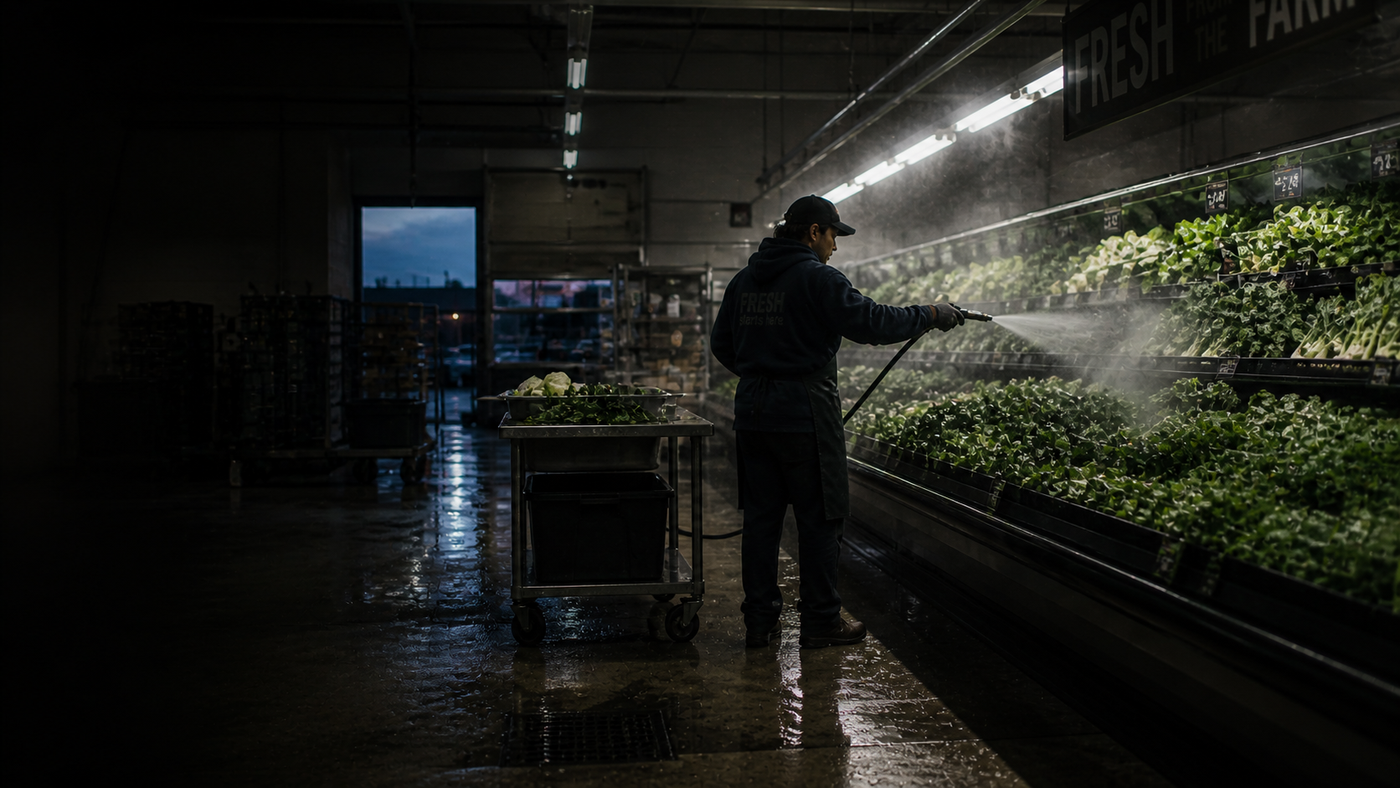
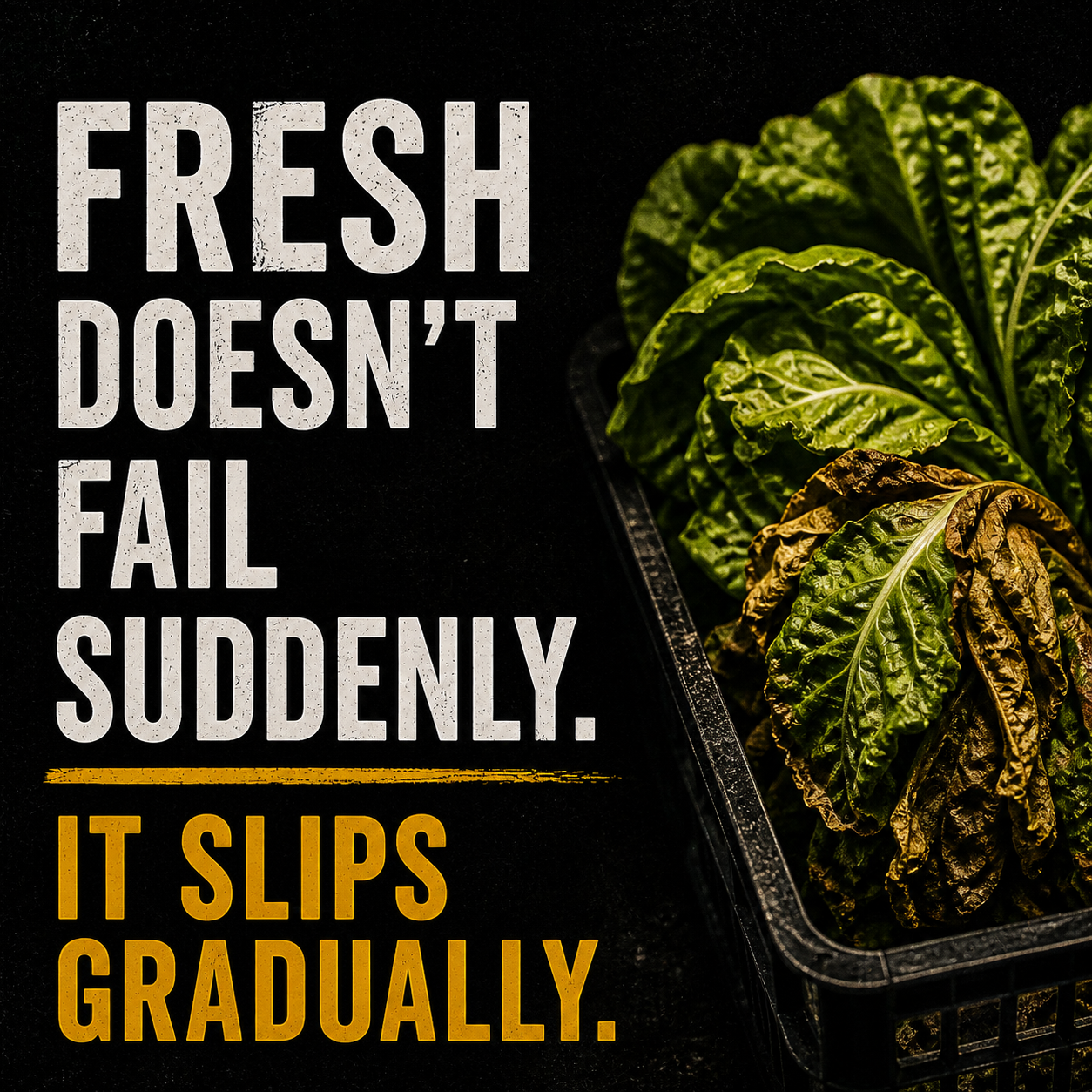
Fresh departments do not hide pressure well. Late culls, tired wet racks, slow deli recovery, and cases that miss the dinner window all tell customers the store is stretched before anyone says a word. The useful metric is not only labor percent. Watch the lag: how long it takes a department to recover after the lunch hit, the 4 PM rush, or an online-pickup pull. Most labor cuts reveal themselves in recovery before they show up as obvious service failure.
Everybody says fresh matters. The harder question is whether the schedule, standards, and follow-up match that belief. A strong morning set can still fail if the department is not recovered before the dinner rush or if production is planned around convenience instead of customer demand. Use the uncomfortable audit window: 4:30–6:30 PM. That is when wet rack condition, deli fullness, meat case confidence, and sign clarity tell the truth about whether fresh is staffed like it.
Fresh Watch
Albertsons’ AI produce inspection system matters less because it says “AI” and more because it treats produce quality like a consistency problem. Starting with strawberries and grapes is telling: high-visibility, high-disappointment items can swing trust quickly. The store still owns the final impression. Upstream scoring may reduce variation, but rotation, culling, fragile-item handling, wet rack condition, and recovery discipline decide whether a stronger inbound standard.
Hy-Vee tying forecasting, replenishment, and fresh store ordering into one planning platform points to the real operating tension: availability and waste move together. A better order is supposed to reduce outs without turning the backroom or wet rack into tomorrow’s shrink. Basket quality improves when fresh helps shoppers complete the trip. Produce suggests dinner. Meat gives confidence. Deli, bakery, and center store attach when the store makes the next item obvious.
Most operators are not panicking. They are watching the small tells: tired fresh, slower recovery, thinner floor coverage, and whether the customer still believes the trip was worth it.
What shows up when you actually walk the store
Fresh gives the store proof of life
When fresh looks worked, customers give the rest of the store more credit. The value message feels more believable, the trip feels less risky, and the shopper has a reason to keep building the basket instead of cherry-picking one item and leaving.
Higher fresh prices leave less room for tired standards
Fresh inflation is showing up where shoppers feel it fastest. Fresh fruit and vegetable inflation was reported at 6.5% year over year in April, more than double broader annual food inflation, with fresh vegetables up 11.5%. When customers are paying more, weak condition feels worse. Rough produce, tired cases, and unclear signs make the price feel like a violation instead of a reality the store is managing honestly.
Build one more complete dinner answer
The issue is not whether the store has enough departments. It is whether those departments help the customer solve dinner without thinking too hard. A promoted meat item with weak produce support, no bakery cue, and no prepared side is a missed basket, not just a missed display. Watch the attach rate by sightline: if the next item is not visible, signed, or logical within a few steps, most customers will not go looking for it.
The dinner window is the real audit
Morning walks can flatter a fresh department. The better audit is the dinner window, after the department has been shopped, picked for orders, worked by thinner coverage, and exposed to the day’s execution misses.
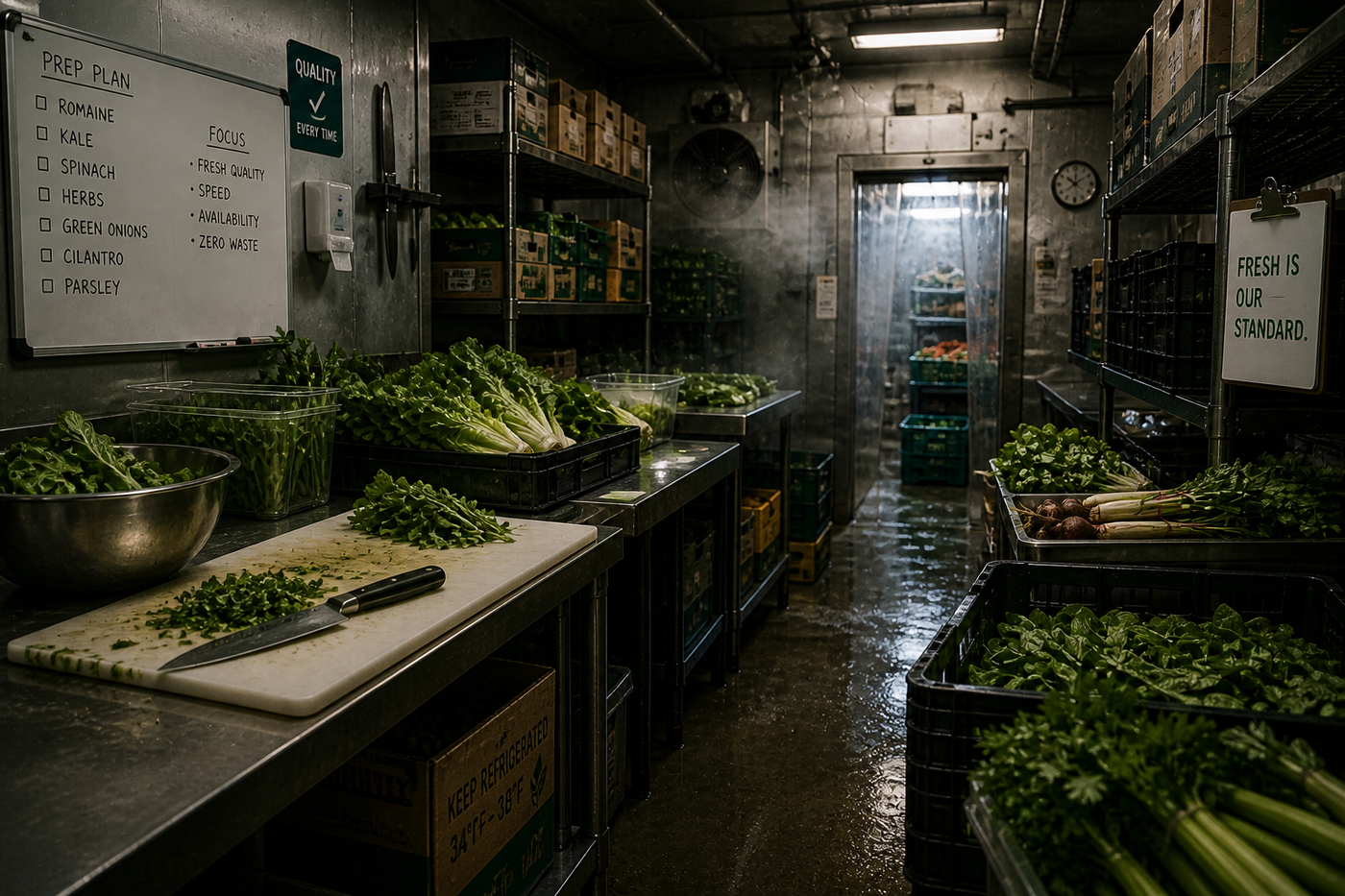
Fresh has to look alive at the dinner decision window.
Not everything needs a committee. Some weeks the smartest move is picking one visible friction point and cleaning it up before customers explain it to you with their feet.
- Readable value beats loud value.
- Traffic only matters if the basket has quality behind it.
- Watch recovery lag, not just labor percent.
- Higher fresh inflation makes weak standards less forgivable.
“Price can get a shopper’s attention. Fresh decides whether they believe the trip was worth it.”