
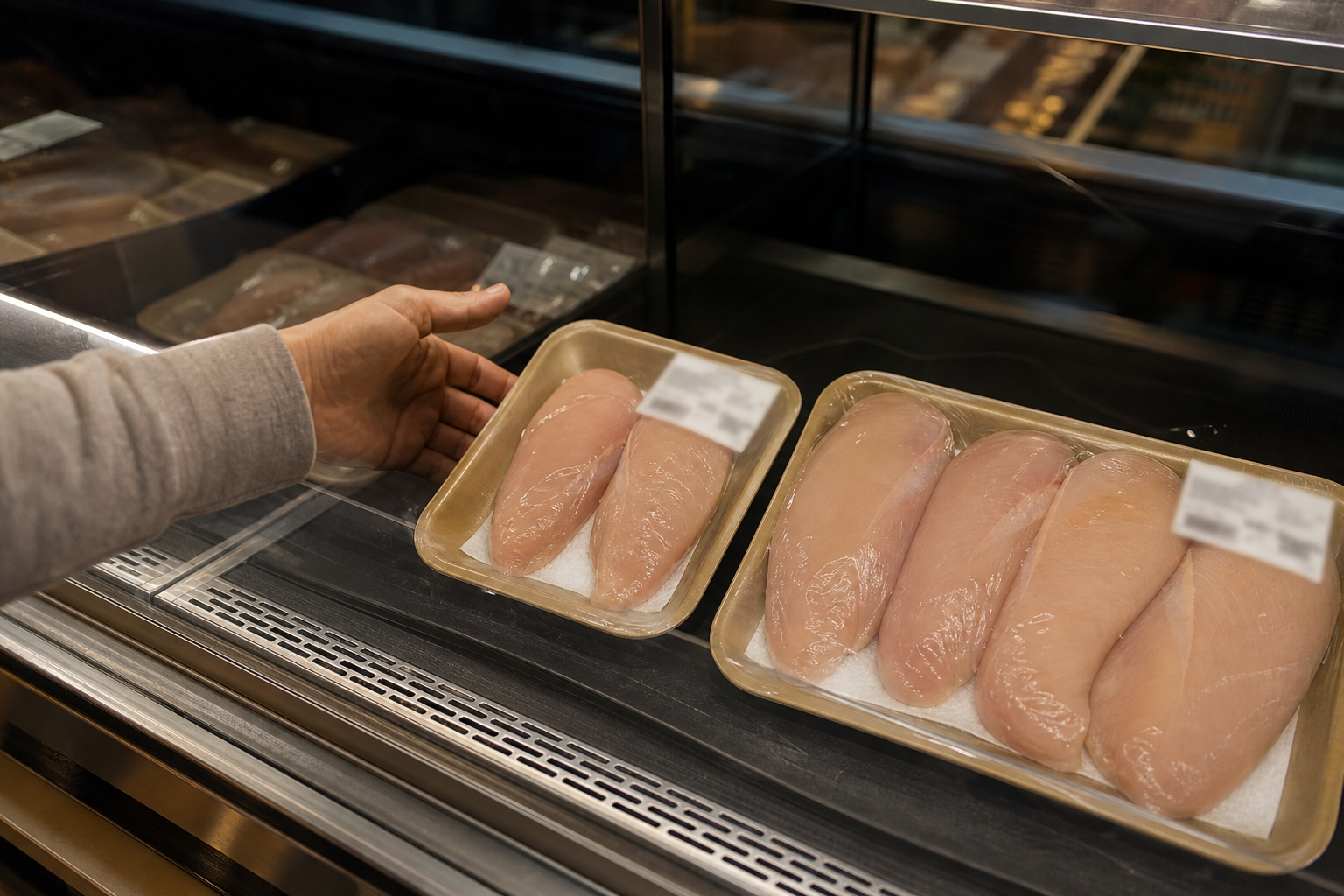
The Big Pack Isn't Always the Better Value
The lowest unit cost can still be the wrong amount for the customer.
The box with the better math
A customer stops at the cereal shelf with two versions of the same product in front of them.
The family box wins the price-per-ounce comparison. The regular box costs less today and fits more easily into the cupboard.
The customer takes the regular box.
The family box may be right for a bigger household or a stock-up trip. This customer needs a different amount. The shelf has to work for the household standing in front of it, not the one we imagined when the set was built.
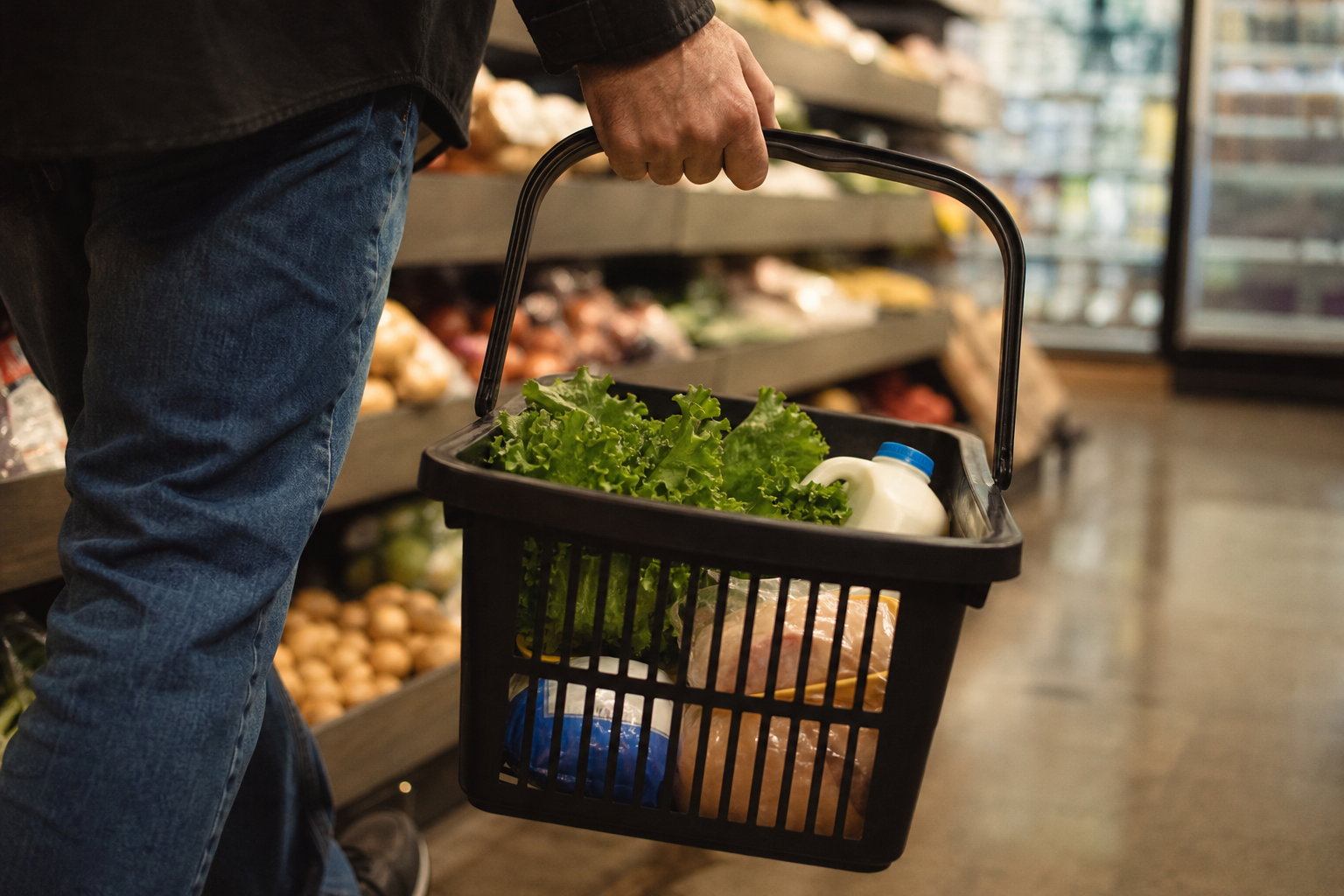
The stock-up trip is no longer the default
A recent NielsenIQ report, summarized by Packaging Dive, estimates that 32% of in-person grocery purchases are stock-up trips.[2] That vendor finding is directional, not a universal measure for every banner.
The same report says smaller packs are growing faster than traditional multiserve packs in soft drinks, ready-to-eat cereal, and salty snacks.[2] The point is not that those categories should all go smaller. It is that package size has become part of how customers solve the trip.
NIQ connects the shift to smaller households, tighter budgets, mission-based trips, and declining stock-up behavior.[3] On the floor, the useful question is local: does this amount fit the way our customers buy and use the product?
Unit value and usable value are different questions
Unit price tells a customer what an ounce or serving costs. The customer still has to cover today's price, find room for the package, and finish it while the product is still worth having.
Larger packs are not inherently bad, and smaller packs are not inherently better. Each size has to fit a real customer trip and do enough business to justify its place.
That means looking at both sides of the shelf. Does the amount work for the household? Does it produce enough movement, margin dollars, and shelf productivity to justify the inventory and facings behind it?
A size earns its place when those answers hold together.
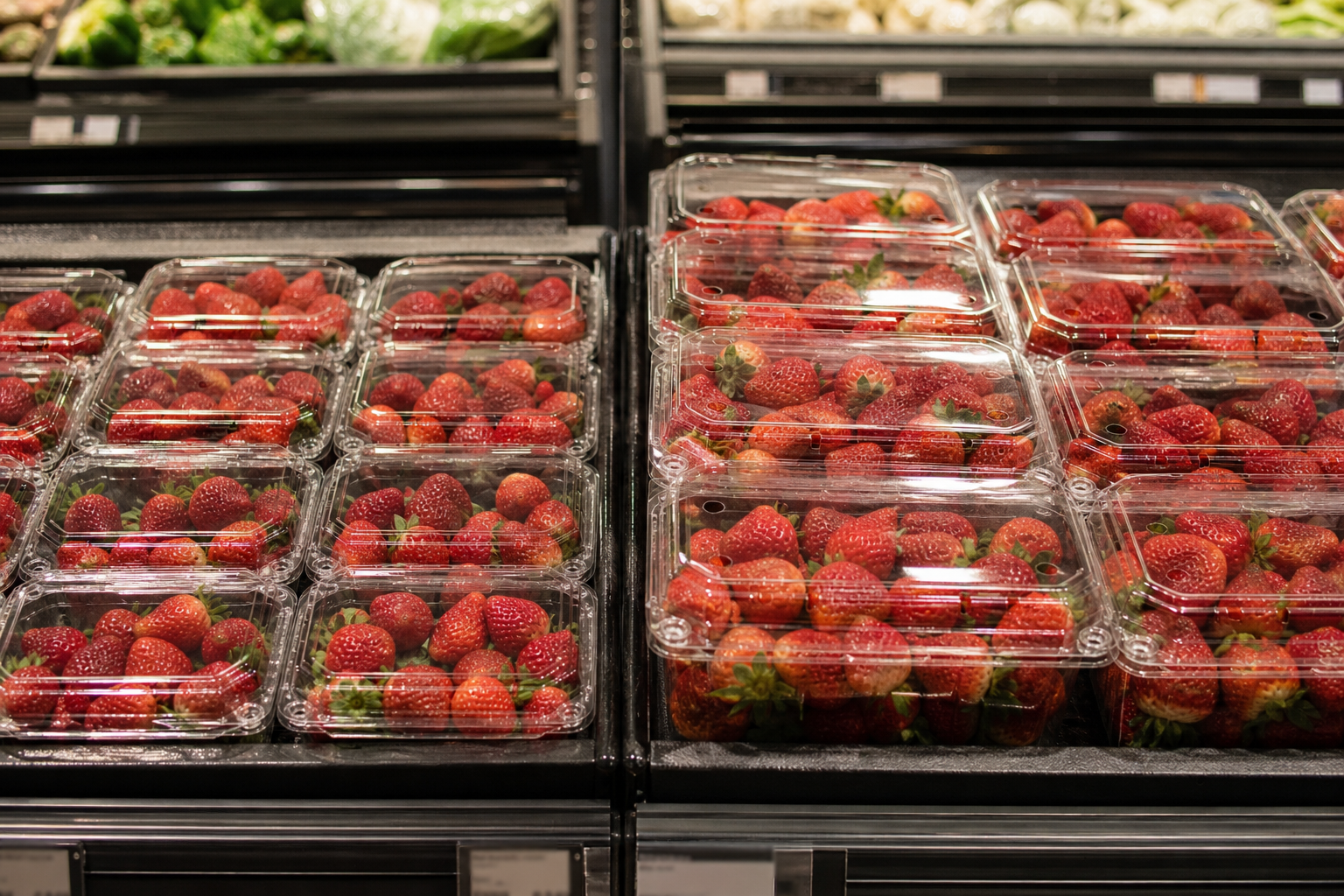
Letting the lowest unit price design the shelf
The buyer gets a good cost on the larger pack. The shelf tag looks strong, so the item gets another facing. The department sees the higher ring and assumes the space is working.
That is where a decent buy can hide a weak shelf decision.
The pack may turn slowly, lean on promotion, or squeeze a more useful size into too little space. In fresh, extra quantity can create markdown or shrink risk.
Ring matters. Read it beside movement, margin, markdowns, shrink, inventory, facings, and shelf space. Together, they show whether the pack is building the category or merely making one transaction look bigger.
The average household is not a bulk household
The U.S. Census Bureau's 2024 ACS five-year table puts average household size at 2.53 people.[1]
That average does not describe every home or predict a local choice. It makes one assumption harder to defend: the biggest package is not the natural fit for every household.
A pack can win the unit-price comparison and still be the wrong amount for the household buying it.
Build a quantity ladder, not a size collection
Many shelves carry several sizes because the vendor offers them. Over time, every package starts chasing the same sale.
A quantity ladder is more deliberate. The small pack lowers the cash outlay. The middle fits the routine trip. The large serves the household or stock-up mission that can use it. The jobs may overlap, but the category should not need all three sizes to do the same work.
Then make each rung prove itself. Did the large pack add category ring or move dollars from another size? Did the smaller option bring movement and margin dollars the set was missing? Is any pack carrying more inventory and space than its contribution supports?
The goal is a shelf that gives customers a usable choice and gives the category a stronger return from the space.
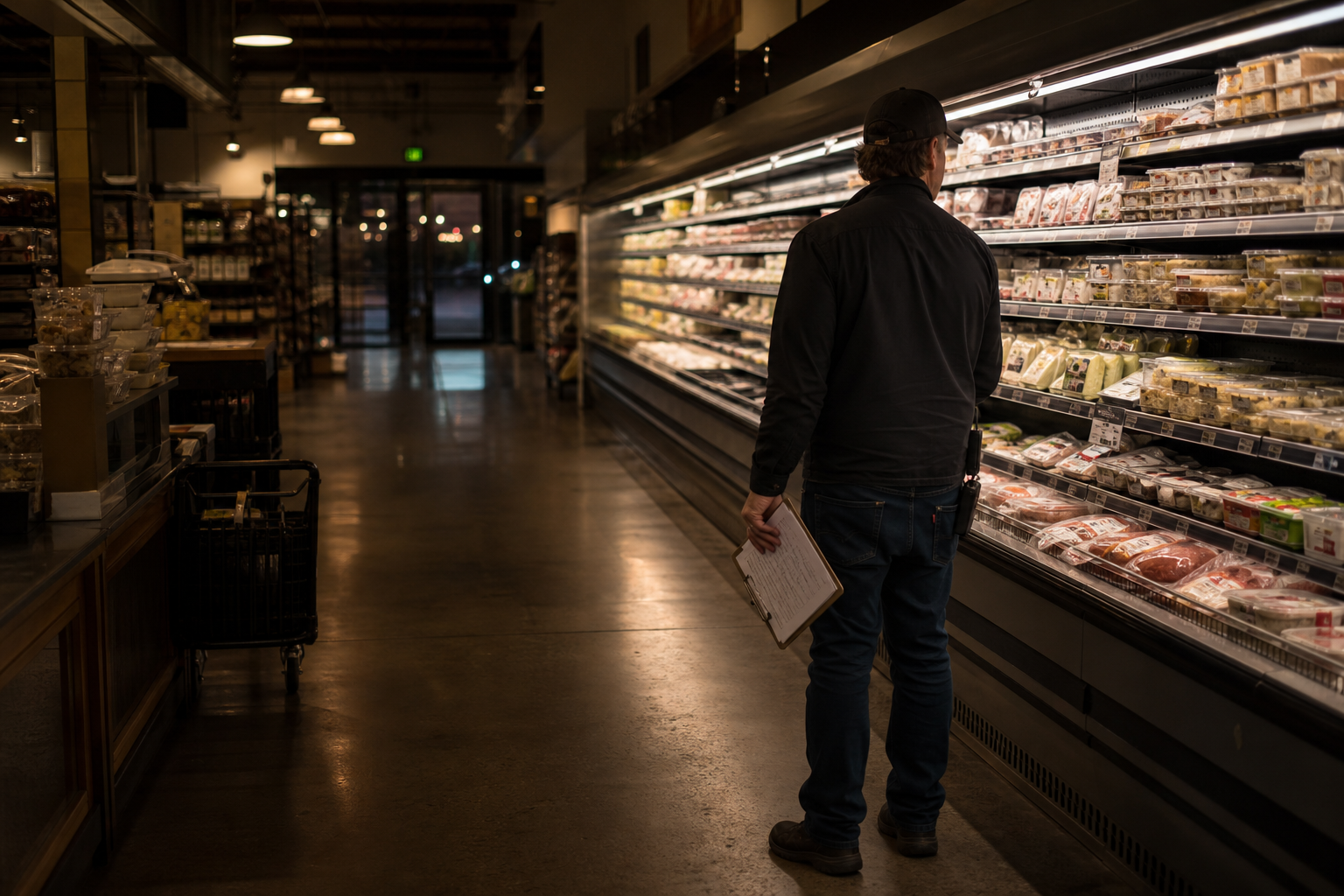
Read one category rung by rung
Choose one category with a real size choice. Cereal, salty snacks, and soft drinks are current examples because recent reporting shows smaller-pack growth in those categories.[2] Use another category if it gives you a cleaner read.
Start in front of the set before opening the report.
- Compare the cash outlay at each size.
- Match each pack to the trip it serves.
- Decide whether a household can store and finish it. In fresh, include the quality window.
- Count the facings and notice which size the shelf is helping most.
Then pull the operating side by size: movement, ring, margin dollars, markdowns or shrink where relevant, inventory, promotions, facings, and shelf space.
Basket-level analysis is the ideal. If your system cannot produce it cleanly, compare item movement, retail dollars, gross margin dollars, markdowns, on-hand units, and facings over comparable weeks. It will not explain every choice, but it will show where the shelf deserves a harder look.
Make one pack earn its place
Pick one category and name the customer trip each size serves. If two packs do the same job, or one has no clear customer need behind it, make one change:
- keep it,
- resize the space,
- reposition it,
- promote it for a specific trip,
- or remove it from the test set.
Watch a comparable period. Check category ring and margin dollars first, then see where units moved and whether markdowns, shrink, inventory, or holes changed with them.
One sale will not settle the decision. The better set gives customers a usable amount and produces enough movement and margin to strengthen the category.
Operator Question: Which category in your store carries the most package sizes without a clear customer trip behind each one?
The Idea
People lose confidence when they have to guess what their leader means.
Why It Matters
An open decision follows employees back onto the floor. They hesitate over calls they normally make, second-guess the ones they already made, and watch for signs that their leader may change course. The work gets heavier because they are also trying to predict whether support will still be there if someone questions the result.
What They Need
Some calls need time. Once the call can be made, the team needs clear direction and a leader willing to stand behind it. Clarity creates confidence. Leaders are responsible for giving people that confidence.
Get the Friday Brief for one sharp grocery operator read and one practical move every week. Subscribe free and receive the Store Walk Standard in the welcome email.
The Backroom Brief
Built for operators, merchants, department leaders, and anyone who knows the sales floor tells the truth first.
Forward this to one operator who knows the shelf tag is only the opening argument.
The evidence behind this issue
[1] https://data.census.gov/table/ACSST5Y2024.S1101 — U.S. Census Bureau ACS S1101 Households and Families
[2] https://www.packagingdive.com/news/grocery-consumption-shifts-demand-smaller-packages-nielseniq-report/832322 — Packaging Dive: Grocery consumption shifts require smaller packages
[3] https://nielseniq.com/global/en/insights/report/2026/the-end-of-pantry-loading-why-cpgs-must-rethink-packaging-architecture-for-the-new-american-shopper — NIQ: The End of Pantry Loading
