

The Cost Dropped. Now What?
Falling costs do not make the retail decision for you.
When the cost moves, the shelf still needs a reason.
The cost changed before the tag did
The butter cost is lower on the screen. The shelf tag is still where it was. There may be old-cost cases in back, an open spot in the next ad, and a competitor ready to show customers a different number first.
Lower the tag? Feature it? Hold the retail and rebuild gross-profit dollars? Wait until the lower cost reaches the inventory you are selling? The dairy headline cannot make that call. The case does not move as one line.
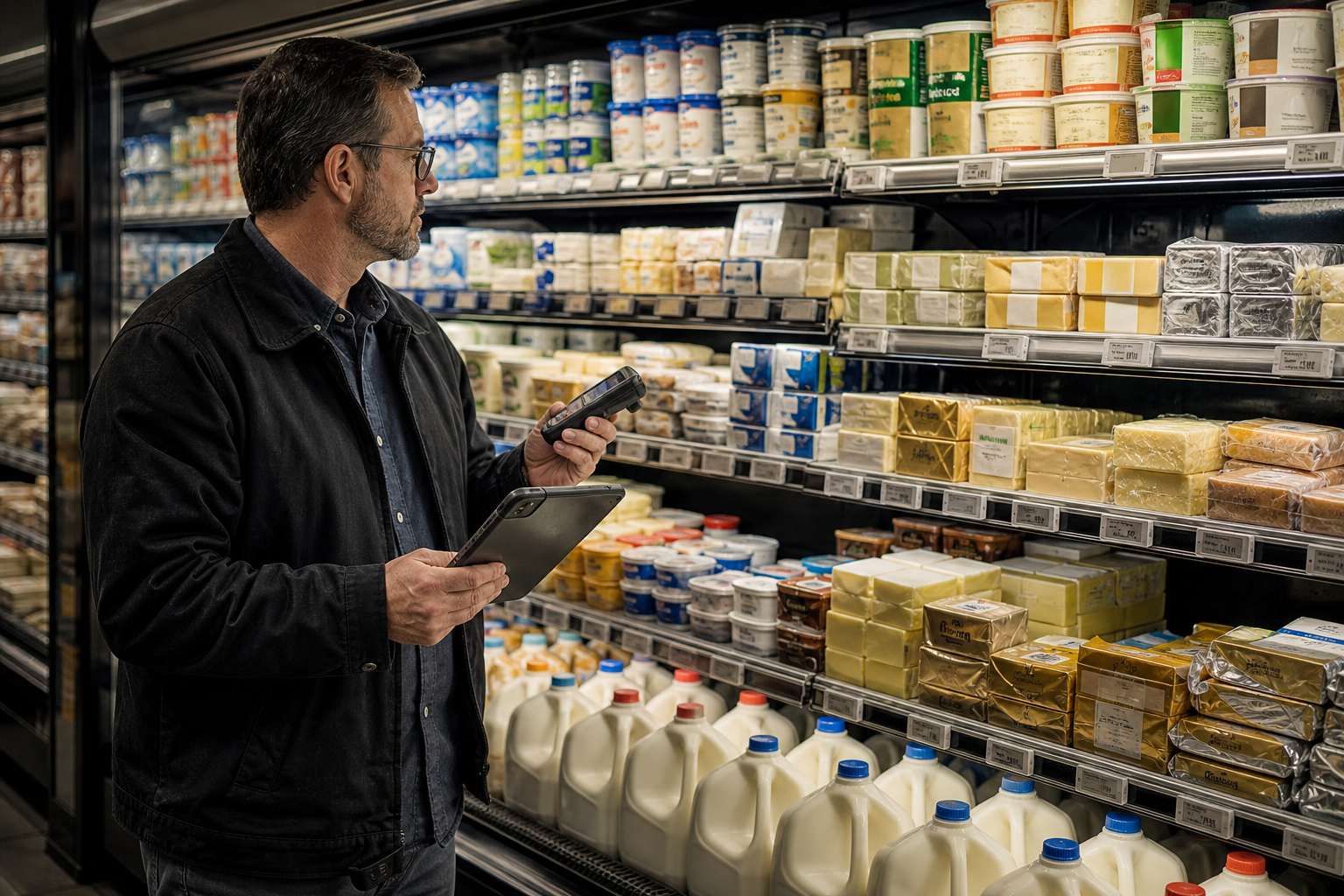
The decline is real. It is not one clean signal.
In September 2026, BLS reported dairy and related products down 0.9% from August. Milk was down 2.0% for the month, while the broader dairy index was 0.7% below September 2025.[2]
USDA's October 16 dairy outlook shows why operators should be careful with a category headline. Its 2026 forecast product-price averages put Cheddar at $1.525 per pound, butter at $1.560, dry whey at $0.680, and nonfat dry milk at $1.735. USDA describes those figures as simple averages of monthly product prices used in class-price formulas. They are not the store's delivered costs.[3]
Marketplace, reporting on August consumer prices, said butter was down 8% from a year earlier and cheese and related products were down 3.8%.[4]
The movement is broad enough to deserve attention. It is not a rule for what every shelf tag should do. The operator's work begins at the item, the invoice, the tag, and the inventory in the case.
Ask what the retail is supposed to accomplish
A gallon of milk can be one of the prices customers know. If its delivered cost changes and the shelf stays visibly out of step, the store can look slow.
Butter may have a different job. A lower cost could support a feature when the ad and inventory give it room to move. The promotion still needs enough extra movement and gross-profit dollars to earn the lower retail.
With specialty cheese, quality, assortment, slower movement, and old-cost inventory may matter more. Cutting the tag before expensive inventory sells through can give away dollars without changing much volume.
Yogurt gets messier. Brands, temporary deals, pack sizes, movement, and customer expectations can pull similar items in different directions. One may need a sharper retail while the cup beside it is already right.
Margin percentage cannot answer the whole question. A lower percentage on stronger movement may produce more gross-profit dollars. A higher percentage on a slowing item may protect the rate while the total result gets worse. Units, dollars, inventory, and the customer's price read have to make sense together.
The useful question is not, "Is dairy down?" It is, "What is this retail supposed to accomplish?"
Letting the old retail become the decision
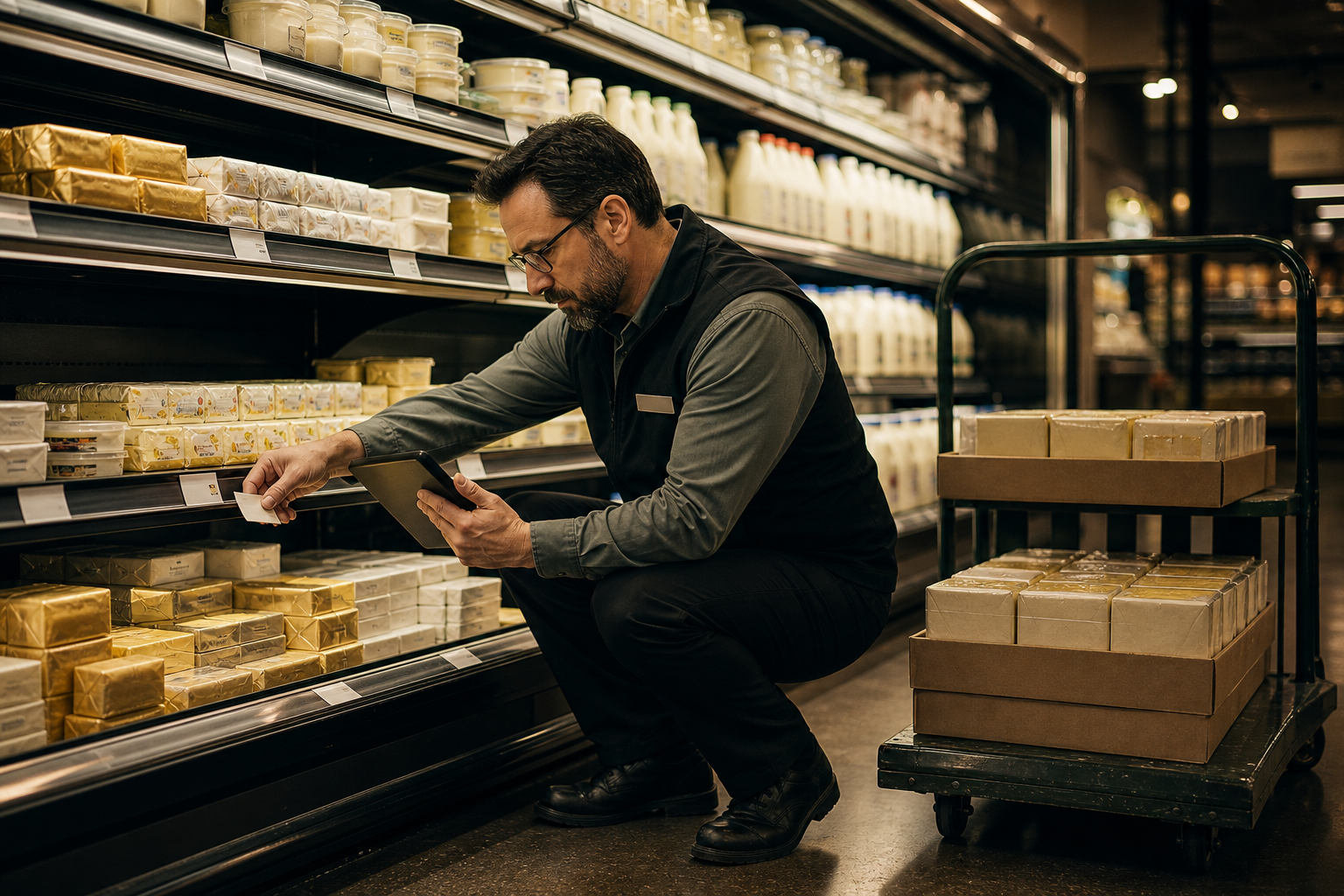
The new cost reaches the file. The tag stays because nobody has made a different call.
That is not holding retail. Holding is a choice with a reason.
Old-cost inventory, a retail that is already competitive, steady movement, or needed gross-profit dollars can support a deliberate hold.
But if no one can explain why the retail stayed, the store did not hold. It drifted.
The item still has to tell you what to do
Reprice when a delivered-cost change reaches an item customers notice and a lower tag can improve the store's value position without giving away more than it earns.
Promote when a temporary retail can create useful movement, support the ad, or work through inventory while still producing a sound total result.
Hold when the current retail remains defensible because of old-cost inventory, the item's role, its competitive position, or the gross-profit dollars the department needs.
Monitor when the market moved but the store's invoice, inventory, movement, or competitive picture has not given a clean answer yet.
Those words describe the call. They are not a required exercise for every cup of yogurt and block of cheese. The point is to keep the old tag from deciding by default.
See what the cost report cannot
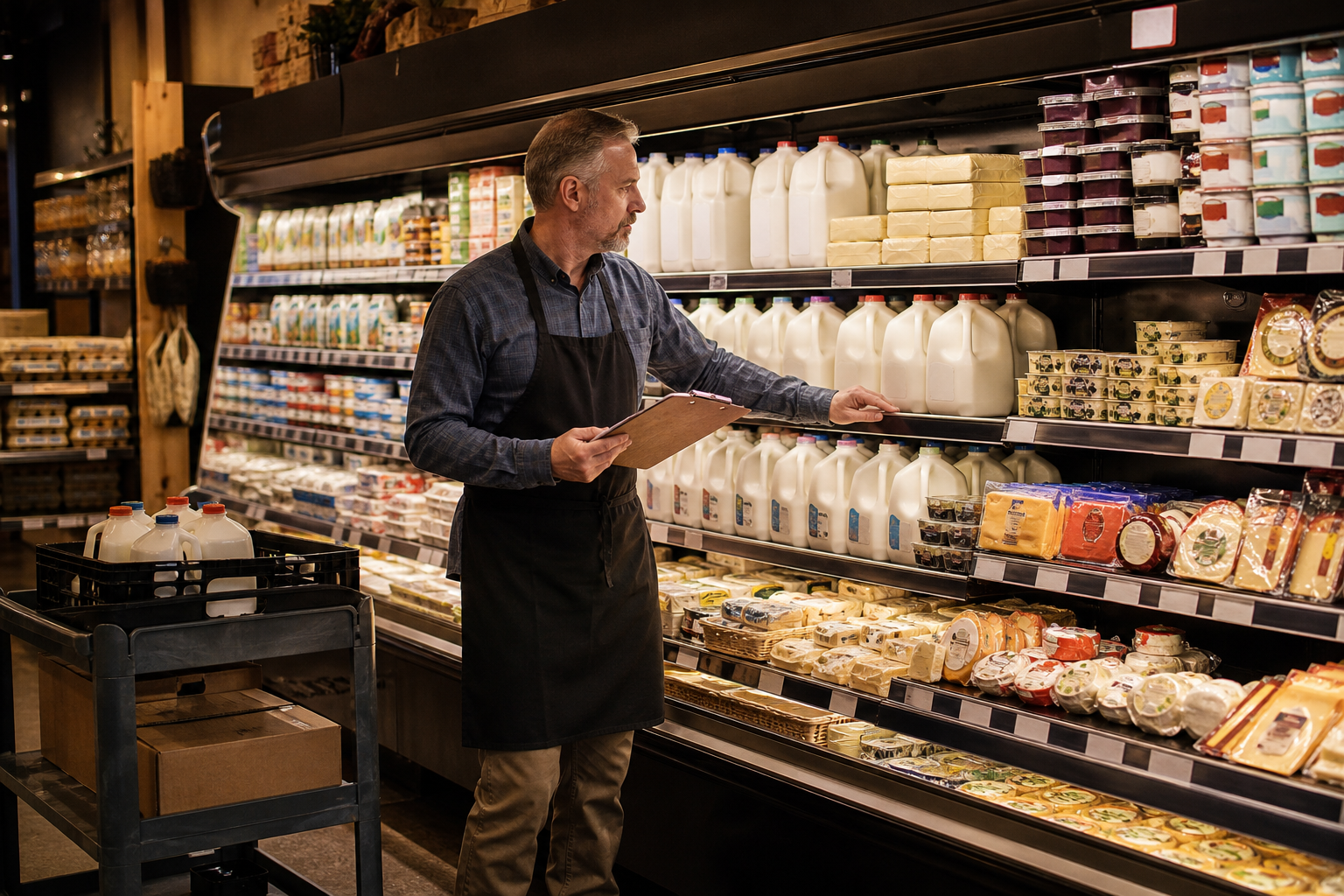
Stand in front of the dairy case before opening another report. Notice the prices a customer can see without hunting. A gallon of milk, familiar butter, or promoted yogurt may shape the value read more than a slower item with a larger margin percentage.
Look at the case. A sharp tag does not help if the item is in a hole, the shelf is rough, or the display is nearly empty. Full facings, backstock, and a tired item sitting in place can signal movement before the report catches up.
If you have a current, verified competitor price, read it beside your own. Then look at the tag, the display, the case condition, and whether the product is there to buy. The invoice cannot show that.
Pick the one item already bothering you
Choose one meaningful dairy item whose delivered cost changed: the gallon of milk customers know, the butter you may feature, or another item where the tag no longer feels settled.
Ask one question: does the current retail still make sense, and why?
The answer should account for customer perception, movement, margin percentage and gross-profit dollars, old- or new-cost inventory, and a competitor price you can verify.
The answer may be reprice, promote, hold, or monitor. The reason has to fit the item. One good look should show whether the tag is doing a job or merely staying where it was.
Operator Question: Which dairy item would you want to explain if a customer, buyer, and store manager were standing at the tag together?
The Idea
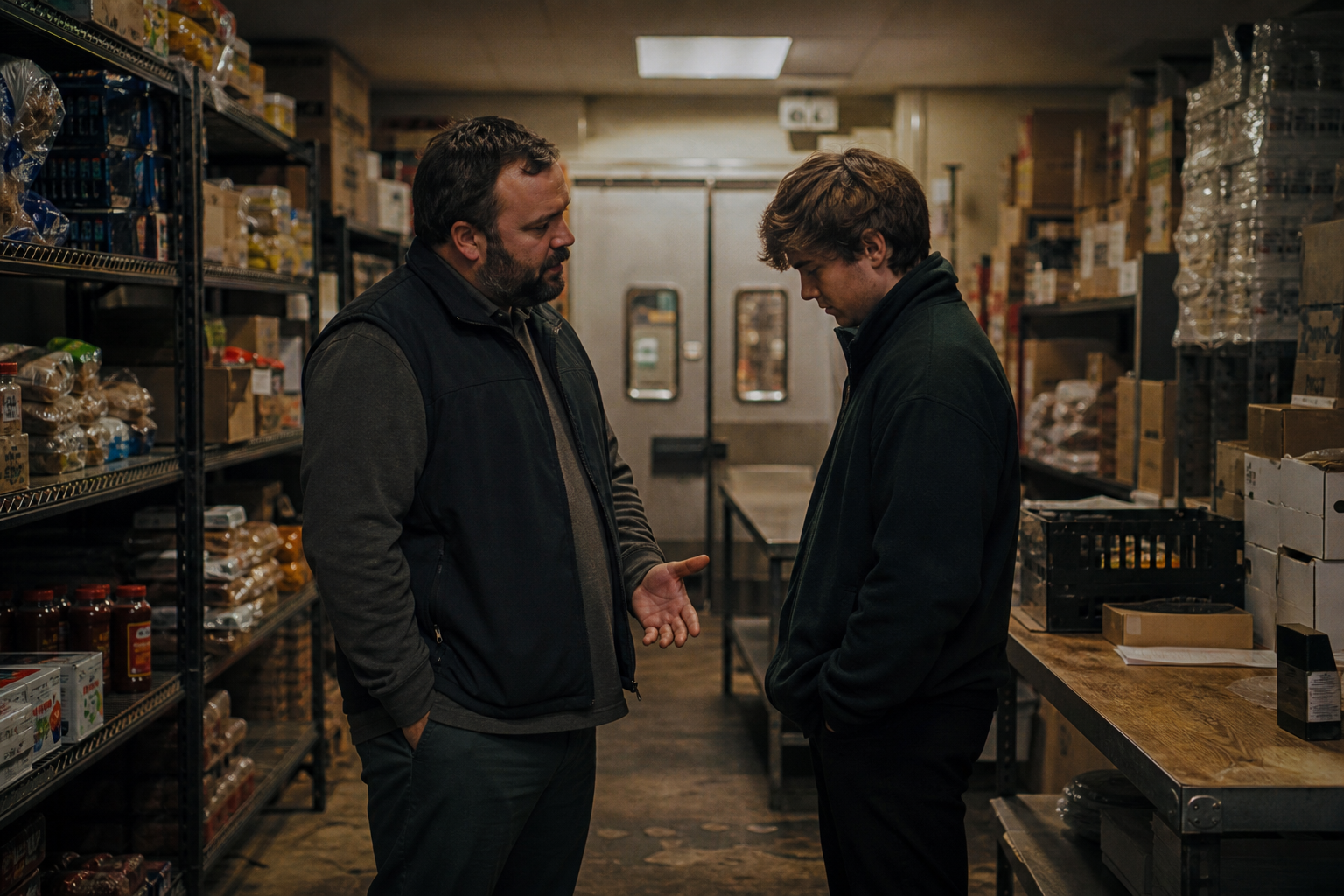
A mistake should not become a person's identity.
Why It Matters
Someone misses a close, places a bad order, or handles a customer poorly. The standard still matters. But when the miss turns into "that's just who they are," the person stops getting a fair chance to be better than their worst shift. Leaders set the tone for whether accountability opens a way forward or pins a label on someone.
What They Carry
People can own a mistake without carrying it as their name. High standards should ask for better work without making the person smaller.
Get the Friday Brief for one sharp grocery operator read and one practical move every week. Subscribe free and receive the Store Walk Standard in the welcome email.
The Backroom Brief
Built for operators, merchants, department leaders, and anyone who knows the sales floor tells the truth first.
Forward this to one operator who knows a lower cost does not settle the shelf.
The evidence behind this issue
[2] https://www.bls.gov/news.release/pdf/cpi.pdf — BLS Consumer Price Index - September 2026
[3] https://www.ers.usda.gov/media/29753/ldp-m-388.pdf?v=63883 — USDA ERS Livestock, Dairy, and Poultry Outlook - October 2026
[4] https://www.marketplace.org/story/2026/09/22/cheese-and-butter-are-bucking-the-trend-of-higher-food-prices — Marketplace - Cheese and butter get cheaper
