
The Recall Starts at the Receiving Door
Bad traceability data should not make it past the receiving door.
The case was already inside
Receiving is built for movement. Cases come off the truck, get checked, and head toward a cooler, freezer, back room, or department before the next part of the day gets loud.
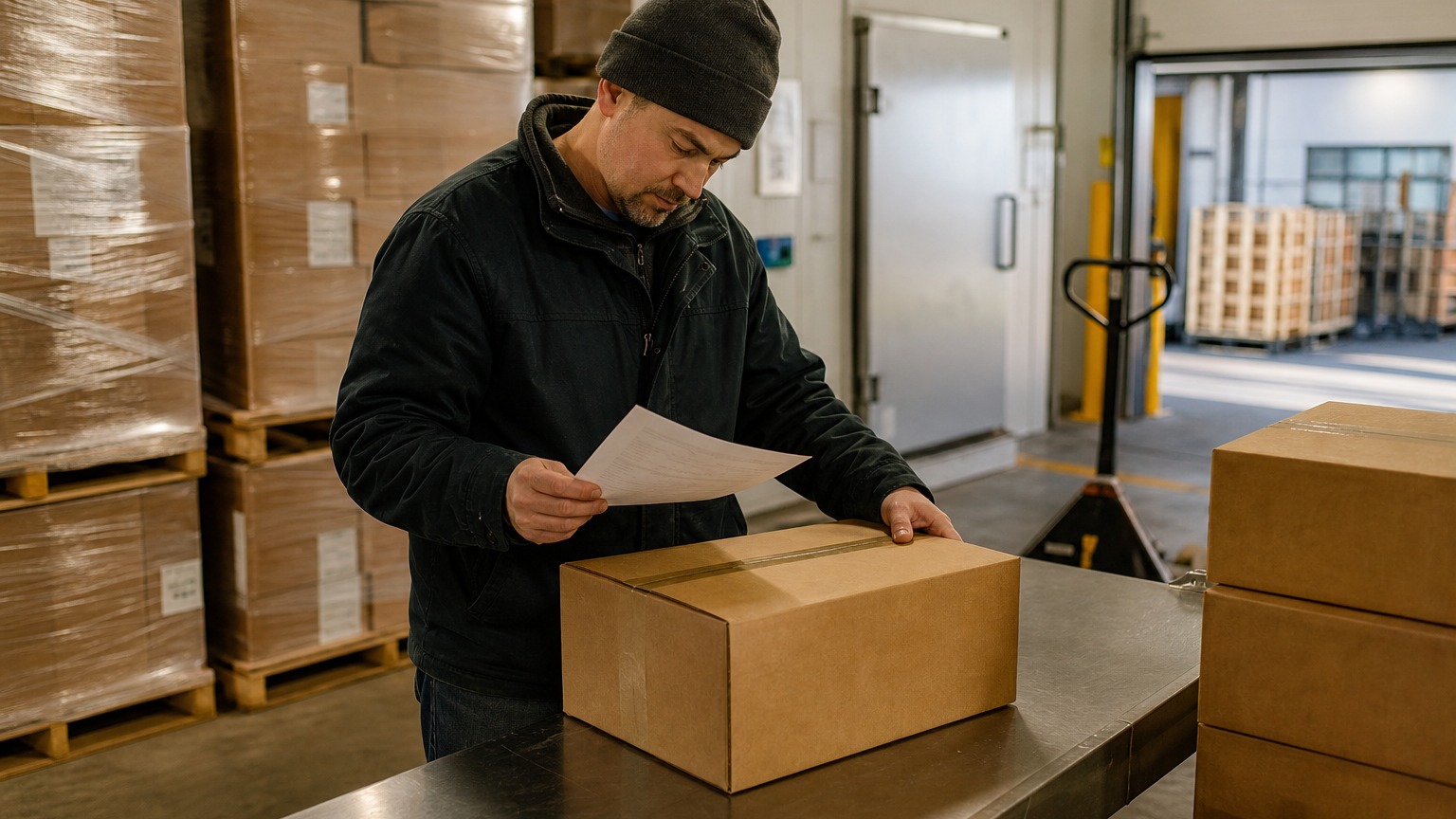
One meat case arrived marked as one primal. It was accepted and put away. Later, the meat manager opened it and found a different primal inside.
Nothing at the door stopped the case. By the time the mismatch was clear, the cleanest chance to question it had passed.
That example does not automatically establish an FDA Food Traceability Rule violation or any other legal violation. It shows a simpler receiving failure: the outside identity and the product inside did not agree.
The deadline moved. The receiving problem did not.
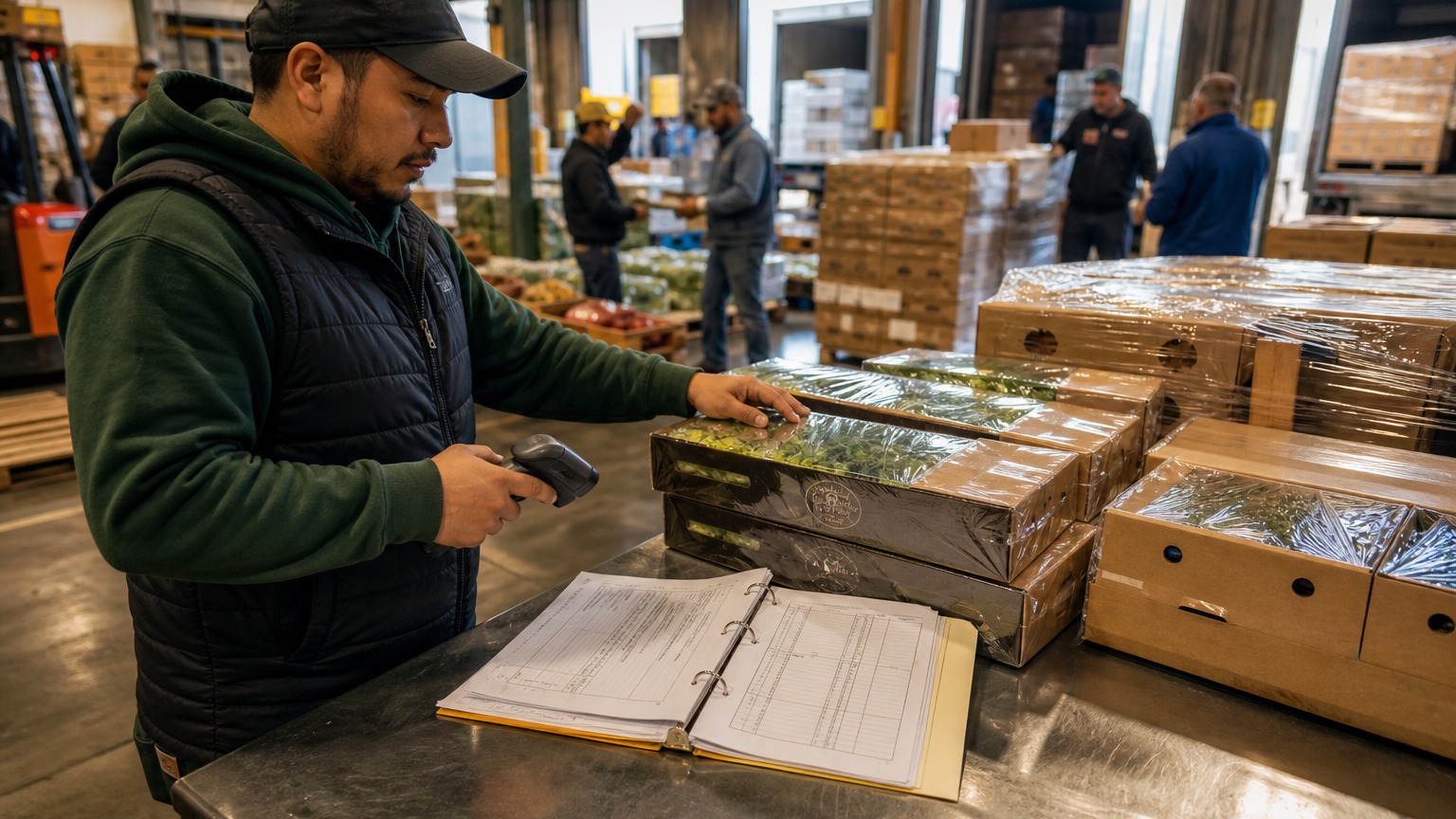
FDA's Food Traceability Rule applies to foods on the Food Traceability List handled by covered firms, with exemptions that vary by business or product. The rule requires certain records at points that include receiving. FDA has proposed extending the compliance date from January 20, 2026, to July 20, 2028. Separately, Congress directed FDA not to enforce the rule before that same date, and FDA says it intends to comply.[1][2]
That is not a universal rule for every case on a grocery dock. Meat, poultry, and egg products under USDA/FSIS jurisdiction fall outside FDA's Food Traceability Rule, but the line is more specific than meat versus everything else. The opening example does not establish which legal requirements apply. The stronger store standard is practical: know what arrived before it disappears into inventory.[3]
The number may live somewhere else.
For foods covered by the FDA rule, the traceability lot code does not have to be printed on the package. It can travel through a bill of lading, advance shipment notice, email, QR code, or another linked record.[2][4] The case identity, shipment information, and required record still have to connect. The exact duties depend on the food, operation, and any exemption.
Manual cleanup leaves room for another miss.
A GS1 case study on Dot Foods describes missed keys, typos, and other errors when workers enter lot codes by hand.[5] It is not a failure-rate estimate for independent grocers. It does show why a small question at the door becomes harder when people rebuild the record later.
Put-away sends the problem somewhere
Once a questionable case is accepted, the receiving decision is not finished. It has simply moved downstream.
The department may correct an inventory discrepancy after the fact. Someone may spend part of the day researching a delivery, comparing the invoice with the case, and trying to establish what the supplier shipped. A supplier credit can remain unresolved. Production can wait, or merchandise can stay off the shelf, while the department looks for an answer.
The risk runs the other direction too. If the store cannot establish what it received, it may hold or remove more product than necessary because nobody can confidently separate the affected case from the rest.
A few seconds saved at receiving can become several people handling the same question with less information than the receiver had at the door.
The note that never makes the trip
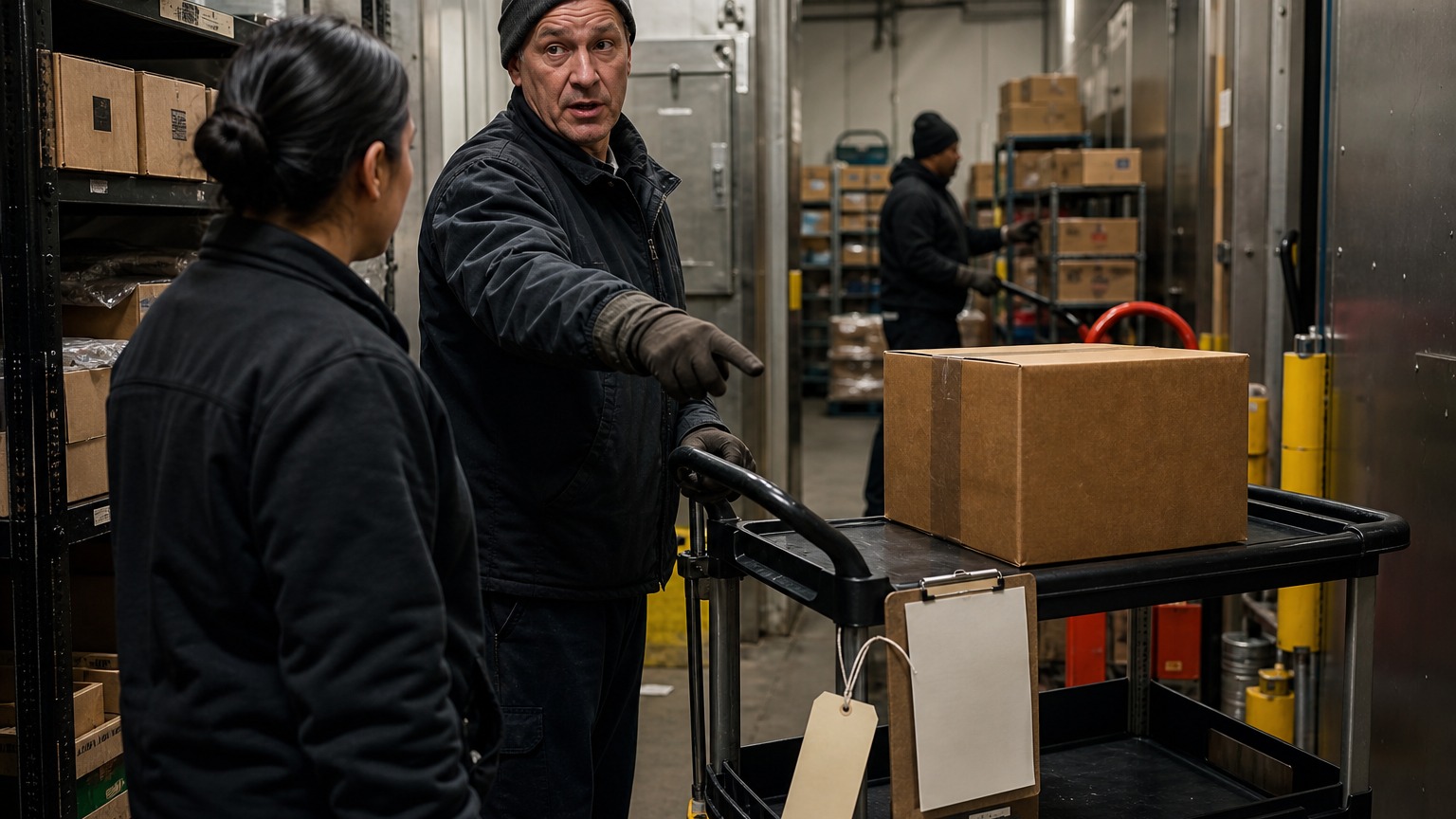
The dock is busy. The receiver sees something is off, mentions it nearby, and moves the case so the next pallet can clear.
The case reaches the department. The comment does not. The person who opens it was not at the door, the paperwork is elsewhere, and the receiver has moved on. One visible question is now split across a case, an invoice, a conversation, and two work areas.
That is the handoff failure. Keep the case and the question together until the department head or store manager decides what happens next. A hold location, photograph, and short record preserve the receiving moment. The right disposition still depends on the item, records, store policy, food-safety requirements, and what the supplier can verify.
Speed is not how fast every case moves
A fast back room is not one where every case keeps moving. It is one where the odd case stops before the whole store has to chase it.
Receiving is when the product, paperwork, and person who noticed the problem are still together. Protect that moment. It is cleaner to settle the question there than to reconstruct it from backstock later.
Watch ten receipts, then follow one item backward
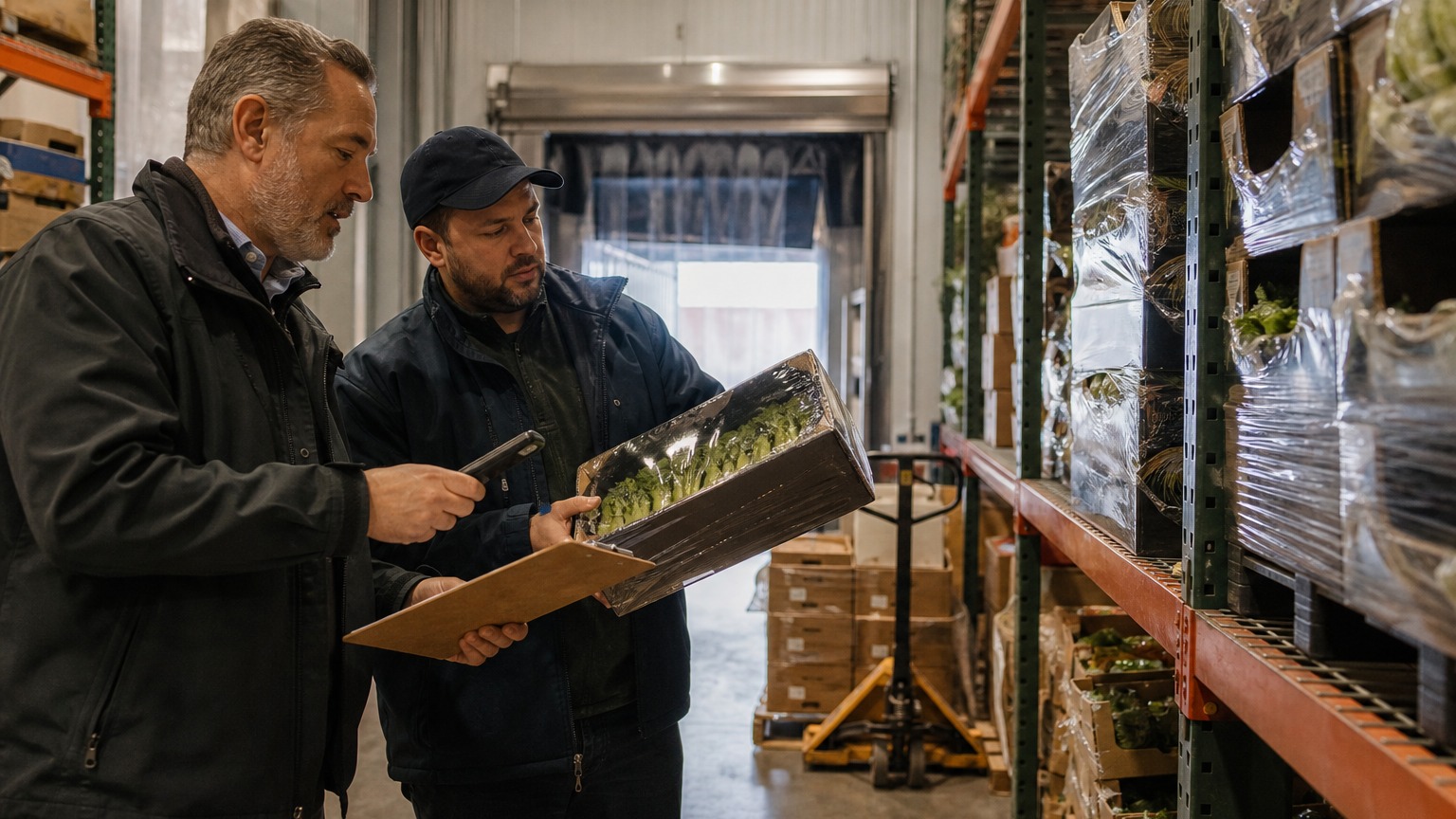
Stand at receiving for the next ten receipts that carry traceability or source information relevant to your operation. Ten is a field test, not a legal sample or proof that the store complies with any rule.
Watch how the work moves. Can the receiver connect the case to the shipment record without guessing? When a description, lot code, source record, invoice, or advance shipment notice does not line up, notice where the product goes, who hears about it, and whether the record stays with the case. Look for where an exception becomes ordinary backstock or survives only in memory.
Then choose one applicable meat or produce item and trace it backward through the records your store is required to maintain. Identify the supplier, shipment, and any source information available to your store. Stop where the documentation ends or someone has to guess.
That is where the present process is weakest.
Do not let the case outrun its identity
Use one huddle line with receivers and department leaders:
If the label, product, and paperwork do not agree, the case waits.
Audit ten applicable receipts and trace one item through the records your store is required to maintain. Pass when each exception has a visible disposition and the item trace can be completed from records without relying on memory.
Resolve exceptions very quickly, but do not invent a universal minute count. Set the local expectation, alert the department head or store manager, and keep the hold visible until the decision is made.
Operator Question: What is the last receiving exception your store discovered after put-away, and what information had already been lost by then?
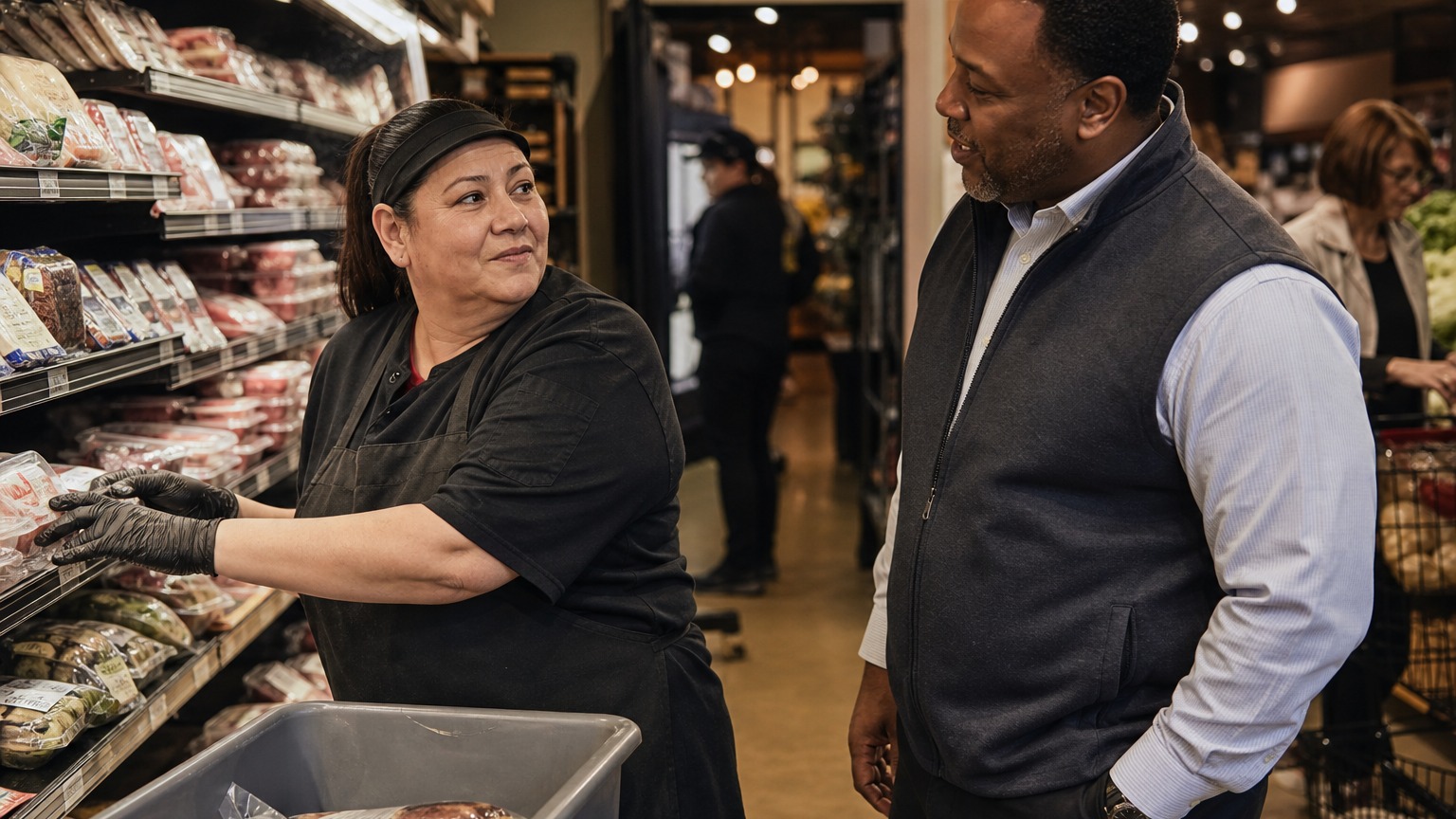
The Idea
The people who cause the fewest problems still need your attention.
Why It Matters
The reliable person is often the one who arrives, absorbs the rush, handles what is in front of them, and leaves without becoming the day's story. Because they do not need rescue, the manager's attention keeps moving toward whoever is loudest or struggling most. From their side, reliability can start to feel like a bargain: carry more, need less, and be seen less.
What It Feels Like
Steady people do not need a spotlight every shift. They do need to know their leader still sees the weight they carry. Being reliable should not make someone invisible.
Get the Friday Brief for one sharp grocery operator read and one practical move every week. Subscribe free and receive the Store Walk Standard in the welcome email.
The Backroom Brief
Built for operators, merchants, department leaders, and anyone who knows the sales floor tells the truth first.
Forward this to one operator who knows a case should not outrun its identity.
The evidence behind this issue
[1] https://www.fda.gov/food/food-safety-modernization-act-fsma/fsma-final-rule-requirements-additional-traceability-records-certain-foods — FSMA Final Rule on Requirements for Additional Traceability Records for Certain Foods
[2] https://www.fda.gov/food/food-safety-modernization-act-fsma/frequently-asked-questions-fsma-food-traceability-rule — Frequently Asked Questions: FSMA Food Traceability Rule | FDA
[3] https://www.fsis.usda.gov/food-safety/safe-food-handling-and-preparation/food-safety-basics/importing-meat-poultry-egg — Importing Meat, Poultry & Egg Products to the United States | FSIS
[4] https://www.fda.gov/food/food-safety-modernization-act-fsma/traceability-lot-code — Traceability Lot Code | FDA
[5] https://www.gs1us.org/industries-and-insights/case-studies/dot-foods — Dot Foods Improves Receiving and Meeting Regulations with GS1 Standards
