The Traffic Quality Problem
Traffic can look healthy while the trip gets thinner. This issue is about whether the store turns a visit into a fuller basket, stronger confidence, and a reason to choose the same banner next time.
This Week in Grocery
Three signals worth reading together: where traffic is moving, how value is being judged, and what operators may have to clean up on the floor.
Traffic is not the same as trip quality
Grocery Outlet reported comps down 1% while traffic improved each month through March. Sprouts still grew Q1 visits 1.8%, but that was a sharp step down from 6.3% Q4 momentum. That is the warning sign: the door can look healthy while the shop gets lighter, less complete, and more promotional.
Shoppers are planning against the store
Flipp says 88% of household shoppers plan before they shop, 78% look for savings first, 68% compare prices across stores, and 73% would switch stores for a strong deal on a key item. Progressive Grocer’s FMI/Circana read adds that Americans visit 5.4 grocery banners in a month. That is not casual browsing. That is defensive shopping.
Short trips are rewriting the competitive set
Placer.ai’s 2026 grocery work points to short, frequent fill-in and deal-seeking trips as a real traffic driver, even as trip duration declines. More visits can sound like loyalty, but they may also mean shoppers are breaking the list into smaller missions across club, dollar, mass, discount, and conventional grocery.
The basket exposes the trip before the report does
The first leak is usually quiet: the shopper grabs the front-page item, skips the service case, walks past the secondary display, and leaves without building dinner. Sales may not collapse, but the basket loses shape. That is where traffic quality shows up before the weekly report makes it obvious.
When shoppers are already comparing stores, small execution misses carry more weight: a weak sign, a tired table, a slow checkout lane, a confusing promo, or a fresh case that does not look dinner-ready. None of those kills the trip alone. Together, they make the next stop easier to justify.
The Basket Audit
The thin trip is the warning sign. The customer still walks in, still buys the promoted item, and may still protect the traffic number. But if the basket does not touch enough departments, the store has not earned the trip; it has only rented a stop. Department touch count is the tell: produce plus protein, a side, sauce, bakery, beverage, deli, frozen, or one more center-store item that proves the customer decided to finish the mission here.
The dangerous shopper is not always lost to another store completely. More often, the trip gets split: meat here, produce somewhere else, fill-in at dollar, bulk at club, emergency items at mass. That makes traffic look better than the relationship really is. The report may show a visit; the basket shows whether the store remained the household’s primary grocery answer or became one stop in a defensive route.
If the entrance value message, produce condition, feature display, and service-case look do not point the shopper somewhere useful, the trip stays narrow. The store should answer fast: what is for dinner, what goes with it, where is the savings, and why finish the shop here? Stand at the front, pick the strongest deal, and trace whether the floor naturally points the shopper deeper into the store.
Fresh Watch
Fresh is not the headline this week, but it is still one of the fastest ways a shopper decides whether the trip is worth expanding. A tired wet rack at 4 p.m., thin meat case, quiet deli, or bakery table that looks picked over tells the customer the store may not be ready for tonight’s meal.
Kroger and Stop & Shop price-cut signals show how hard the industry is pushing value perception. But price without execution teaches cherry-picking. The shelf, sign, display, and fresh tie-in have to make savings feel useful enough to build the rest of the shop.
Shelf Confidence Watch
The supply-chain signals this week are not just back-room stories. H-E-B is putting major money into supply expansion, Target is changing supply-chain leadership, and the Foodtown/wholesaler dispute is a reminder that shelf confidence can break far away from the sales floor. Customers do not separate vendor friction from store execution. They just see holes.
One hole does not always matter. The wrong hole does. If the promoted protein is there but the sauce is gone, if the taco meat is full but shells are light, if berries look good but shortcake is missing, the shopper has to solve the trip somewhere else.
The quiet shift is not that shoppers stopped coming. It is that more trips arrive pre-planned, price-aware, and easier to split. That makes every visible miss more expensive: tired fresh, vague value, weak attach merchandising, slow checkout, and displays that do not answer dinner.
What shows up when you actually walk the store
The opening stretch has a job
A strong store gives confidence fast: clean entrance, readable value, produce that looks alive, a clear meal idea, and a front end that does not feel like a penalty. The shopper decides early whether this is a full trip, a fill-in trip, or just a deal grab.
Promotional traffic can hide weak conversion
A sharp ad can pull shoppers into the building without earning the basket. If the display is light, companion items are missing, or the sign does not connect to a meal, the customer takes the deal and leaves the margin problem behind.
Put hours where hesitation is visible
Thin labor shows first where the trip needs reassurance: fresh recovery, holes, signs, endcaps, and checkout friction. Spreading hours evenly can look fair on paper while leaving the store weak during the windows that decide basket quality.
Displays should build a mission, not decorate an aisle
A display that only announces price is not doing enough in this shopper environment. The better display removes the next decision: what goes with it, why tonight, where the customer goes next, and why the trip is worth finishing here.
Run a basket audit on the lead ad item, not just a sales recap.
Not everything needs a committee. Some weeks the smartest move is picking one visible friction point and cleaning it up before customers explain it to you with their feet.
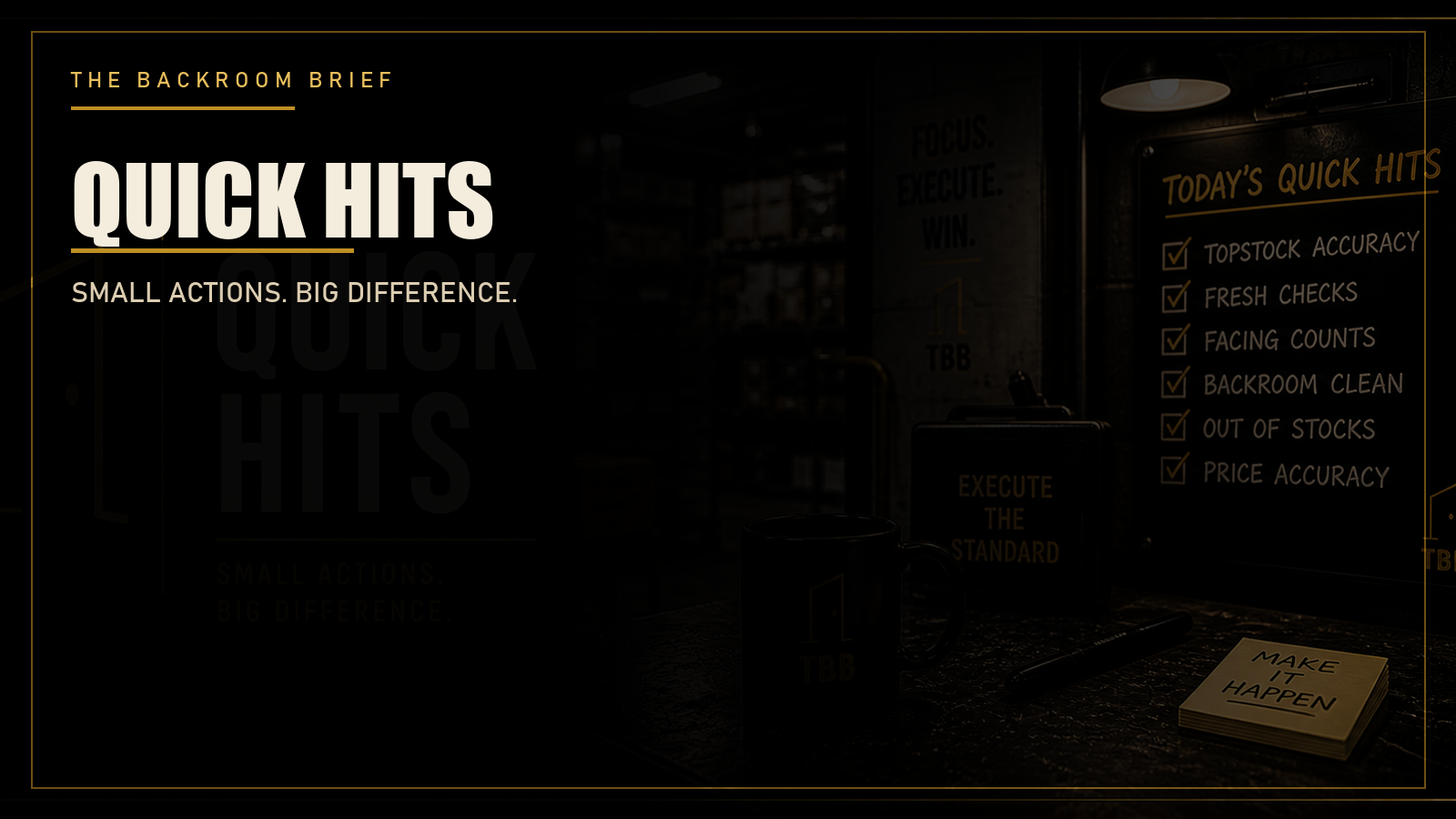
- Track ad-item-only trips against baskets that add one or more companion departments.
- Watch department touch count: produce, meat, deli, bakery, beverage, frozen, and center-store add-ons.
- Build the entrance like a conversion zone, not a pass-through.
- Tie every major promoted item to one obvious meal mission.
“Traffic gives the store a chance. The basket shows whether the store became the answer.”
